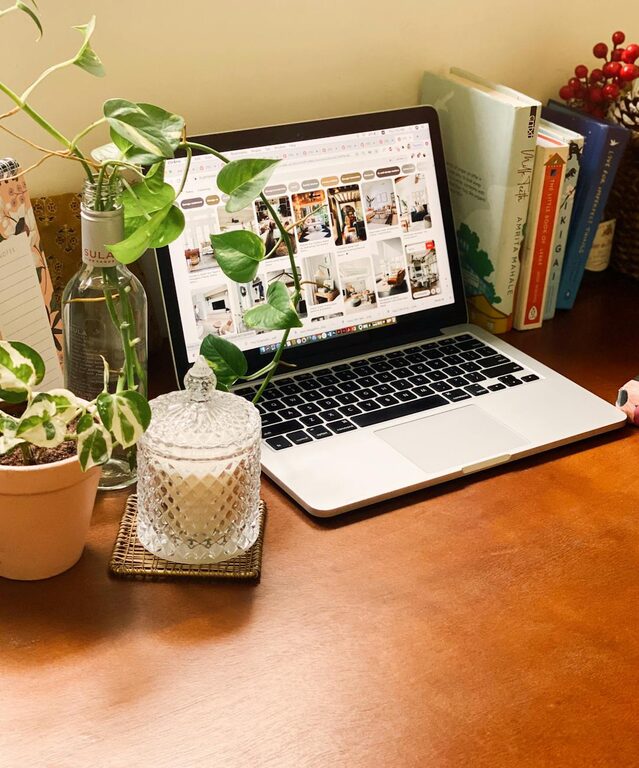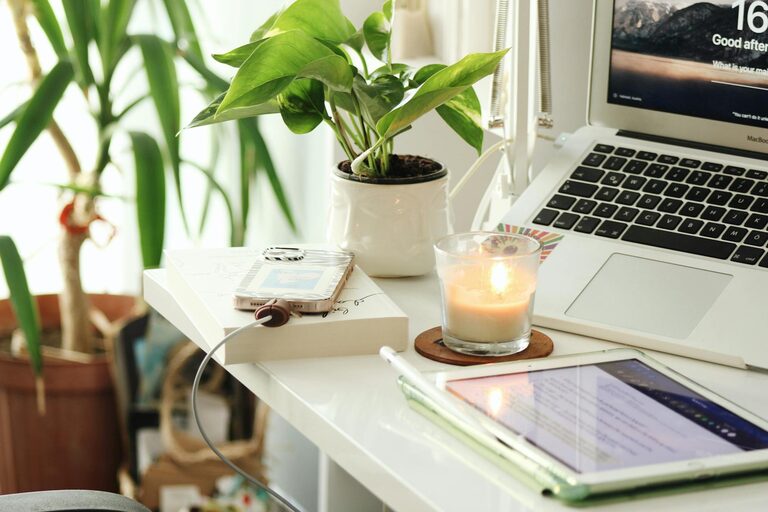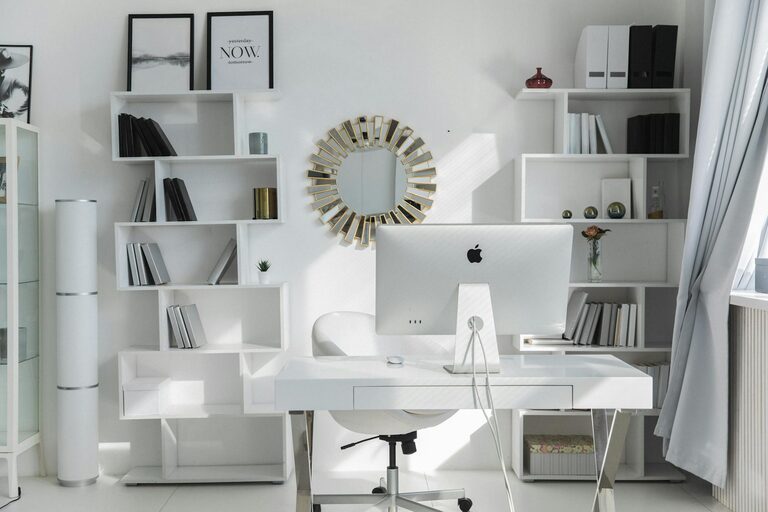


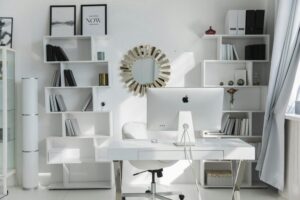

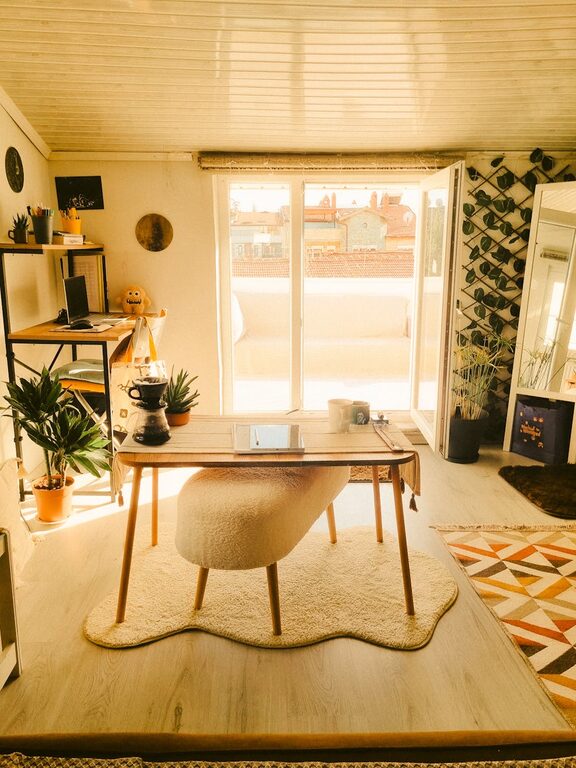
Creating a home workspace that feels both relaxing and productive is essential for anyone who spends significant time working from home. A well-designed environment can help you stay focused, reduce stress, and improve your overall work experience. In this post, we’ll explore practical strategies to make your home workspace comfortable and conducive to productivity.
Why a Relaxing Workspace Matters
Working from home offers flexibility, but it also brings distractions and challenges. Without a dedicated space designed for productivity, it’s easy to feel overwhelmed or tired. A relaxing workspace encourages calmness and focus, which in turn boosts your efficiency and well-being throughout the day.
Choosing the Right Location
Find a Quiet Spot
Select a quiet area in your home away from high-traffic zones. This minimizes interruptions and background noise, helping you concentrate better.
Utilize Natural Light
Position your desk near a window to take advantage of natural light. Exposure to daylight can improve mood and energy levels, making your workspace feel fresh and inviting.
Consider Space and Layout
Pick a spot that has enough room for your work essentials, and allows you to move comfortably. Avoid cramped areas that might cause discomfort or clutter.
Ergonomic Furniture for Comfort and Health
Invest in a Good Chair
A comfortable chair with adjustable height and lumbar support prevents back pain and keeps you comfortable during long hours.
Choose the Right Desk
Select a desk that fits your needs—whether it’s adjustable height for alternating between sitting and standing or a traditional desk with enough surface area for your computer and accessories.
Position Your Screen at Eye Level
Keep your monitor at eye level, about an arm’s length away, to reduce neck and eye strain.
Organizing Your Workspace
Declutter Regularly
Keep your desk tidy and organized. Remove unnecessary items to create a clean, distraction-free environment.
Use Storage Solutions
Incorporate shelves, drawers, or organizers to keep paperwork and supplies neatly stored but within reach.
Cable Management
Use clips or cable organizers to prevent cords from tangling and cluttering your desk area.
Adding Personal Comfort Elements
Include Plants or Greenery
Adding plants can improve air quality and create a calming, natural atmosphere.
Use Soft Lighting
Consider a desk lamp with warm light or adjustable brightness to create a cozy ambiance, especially during evening work hours.
Keep a Comfortable Temperature
Regulate room temperature with a fan, heater, or air conditioner to maintain a comfortable working environment.
Minimizing Distractions
Set Boundaries
Inform household members of your working hours and workspace boundaries to reduce interruptions.
Use Noise-Cancelling Headphones
If noise is unavoidable, headphones can help you stay focused by blocking distracting sounds.
Turn Off Notifications
Limit disruptions from electronic devices by silencing non-essential notifications during work periods.
Incorporating Breaks and Movement
Schedule Regular Breaks
Take short breaks to stretch, walk, or rest your eyes. This prevents fatigue and maintains productivity.
Create a Relaxation Corner
If space allows, have a small area with a comfortable chair or cushion where you can step away for brief moments to recharge.
Enhancing Motivation and Inspiration
Personalize Your Space
Add some artwork, photos, or objects that inspire you without overcrowding the workspace.
Use a Vision Board or Calendar
Visual reminders of your goals or deadlines can keep you motivated and organized.
Play Soft Background Music
If you work well with music, choose gentle tunes that help you focus without distracting you.
Technology Tips for a Smooth Workflow
Invest in Reliable Equipment
Use a dependable computer, fast internet connection, and quality accessories to avoid frustration.
Utilize Productivity Apps
Task managers, calendars, or focus timers can help you stay organized and on track.
Backup Your Work
Regularly save and back up files to prevent data loss.
Conclusion
Creating a relaxing home workspace is about blending comfort with functionality. By thoughtfully choosing your location, investing in ergonomic furniture, organizing efficiently, and adding personal touches, you can build an environment that supports your work and well-being. Remember, a space that feels good to work in naturally encourages productivity and positivity.
Try implementing these tips step-by-step, and adjust your setup as your needs evolve. A comfortable, relaxing home workspace is the foundation for successful and enjoyable workdays.