


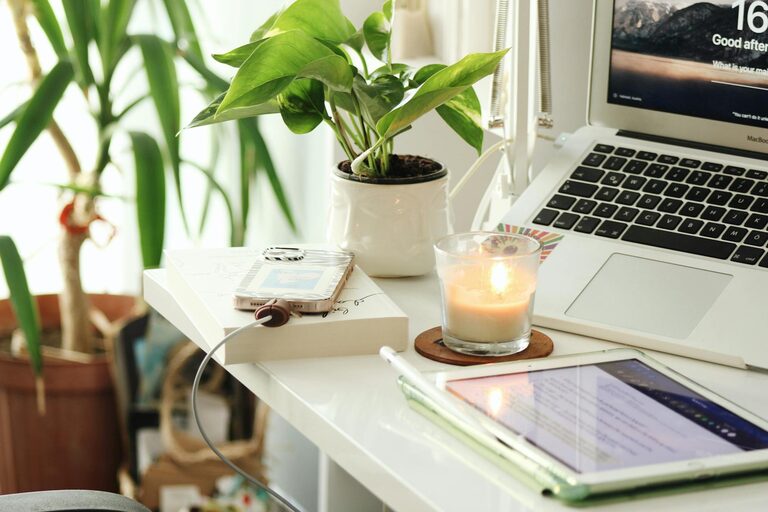
Creating a home office that is both cozy and productive can transform your work-from-home experience. Whether you are setting up a space for the first time or looking to refresh your existing area, combining comfort with functionality makes all the difference. In this post, we share practical tips to help you design a home office that supports your productivity while making you feel right at home.
Why a Cozy Office Matters
A cozy office environment encourages focus and reduces stress. When your workspace is inviting and comfortable, you’re more likely to enjoy your workday and maintain steady motivation. Comfort and productivity go hand in hand, so putting thought into your home office setup benefits both your well-being and your efficiency.
Choosing the Right Location
Find a Quiet Spot
Look for a part of your home that is quiet and free from distractions. It might be a spare room, a corner of the living room, or even a section near a window. The important thing is to choose a space where you can concentrate without frequent interruptions.
Consider Natural Light
Natural light has positive effects on mood and alertness. Whenever possible, position your desk near a window. If natural light is limited, invest in good-quality lighting that mimics daylight. A combination of overhead lights and task lighting, such as a desk lamp, can reduce eye strain.
Selecting Functional and Comfortable Furniture
Invest in a Supportive Chair
A comfortable, ergonomic chair is essential for long hours of work. Look for one with adjustable features like height, backrest angle, and lumbar support. This will help you maintain good posture and avoid discomfort.
Choose the Right Desk
Pick a desk that suits your work style and space. Consider size, storage options, and flexibility. Standing desks or adjustable desks are great for alternating positions throughout the day, which can aid circulation and reduce fatigue.
Organizing Your Workspace
Keep Clutter to a Minimum
A tidy workspace helps clear your mind and improve focus. Use trays, baskets, or drawer organizers to keep supplies and paperwork in order. Regularly declutter to avoid unnecessary mess and distractions.
Use Vertical Storage
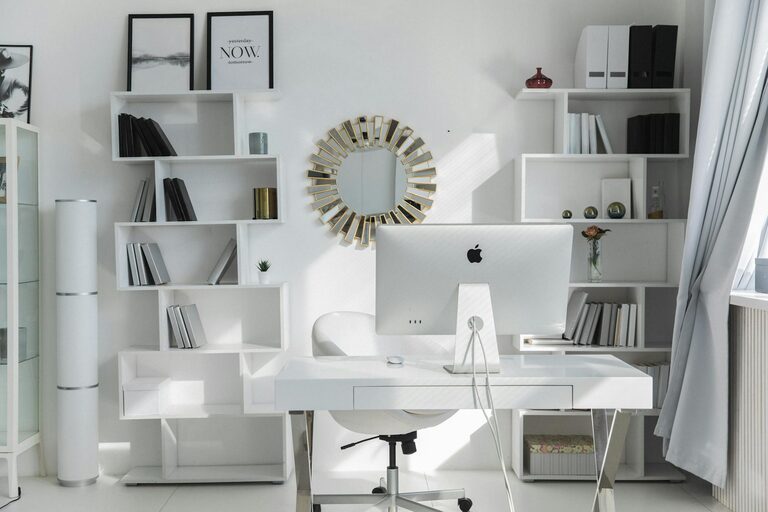
Shelves and wall organizers free up valuable desk space and keep essential items within reach. Consider floating shelves or pegboards to store books, equipment, and decorative items without crowding your work surface.
Adding Personal Touches
Incorporate Plants
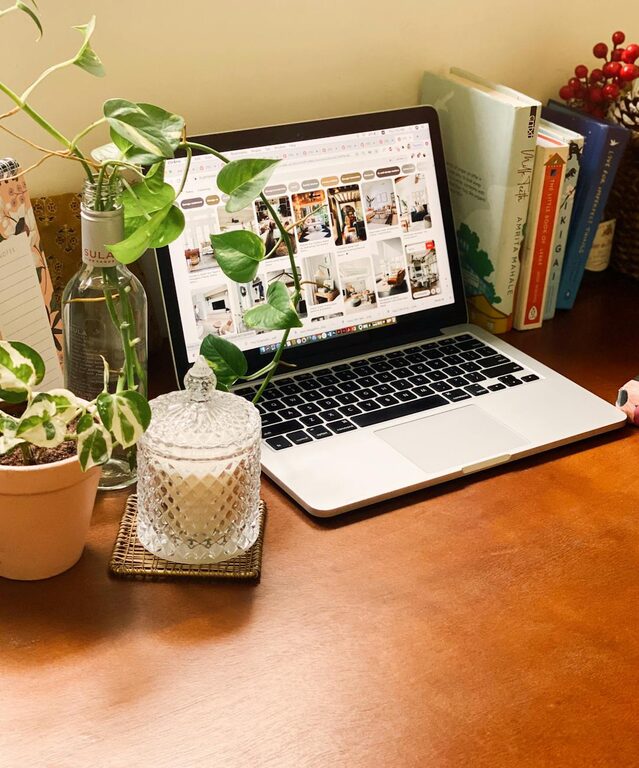
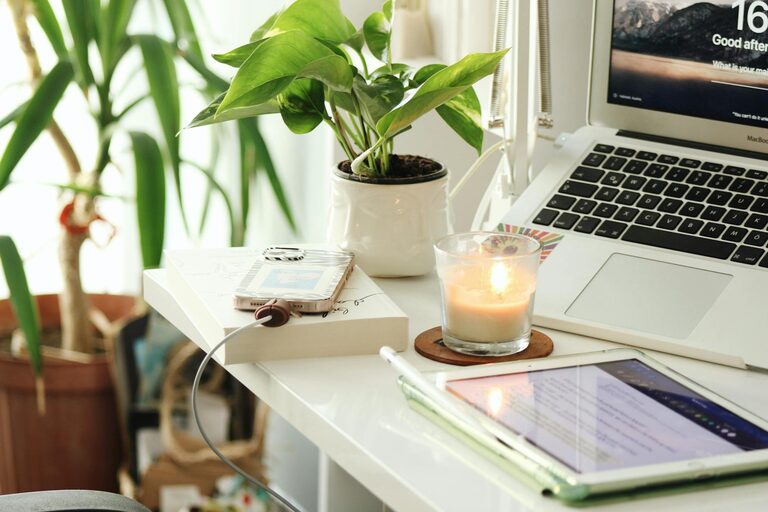
Indoor plants bring life into your office and can improve air quality. Low-maintenance options like succulents, snake plants, or pothos add greenery without requiring much care.
Display Inspiring Decor
Add artwork, photos, or motivational quotes that resonate with you. Personal touches create a positive atmosphere and make your workspace feel welcoming.
Use Soothing Colors
Choose paint colors or accessories in calming shades like soft blues, greens, or neutrals. These tones help to reduce stress and create a peaceful vibe.
Managing Technology Efficiently
Organize Cables
Avoid a tangled mess by labeling and bundling cables. Cable clips or sleeves are simple tools that keep wires neat and prevent accidents.
Ensure Reliable Equipment
Invest in quality tech like a good monitor, keyboard, and reliable internet connection. These small changes can enhance your efficiency and reduce frustration.
Establishing a Routine and Boundaries
Set Work Hours
Define specific work hours to create structure. This helps you separate work time from personal time and maintain a healthy balance.
Take Breaks
Regular breaks refresh your mind and body. Use reminders or apps to encourage stretching, short walks, or mindfulness pauses throughout the day.
Maintaining Comfort Throughout the Day
Control Temperature and Airflow
Make sure your office is neither too hot nor too cold. A fan, heater, or open window can help maintain a comfortable climate.
Use Comfortable Accessories
Items like a footrest, wrist support, or a cozy blanket contribute to your overall comfort and reduce physical strain.
Final Thoughts
Designing a cozy and productive home office is all about balance. Prioritizing comfort without sacrificing function creates a space where you want to spend your time and can work effectively. By combining thoughtful furniture choices, smart organization, personal touches, and good habits, you can build a home office that supports your professional success and personal well-being.
Try out these tips, and tailor your space to what works best for you. A well-designed home office isn’t just a place to work—it’s a place to thrive.